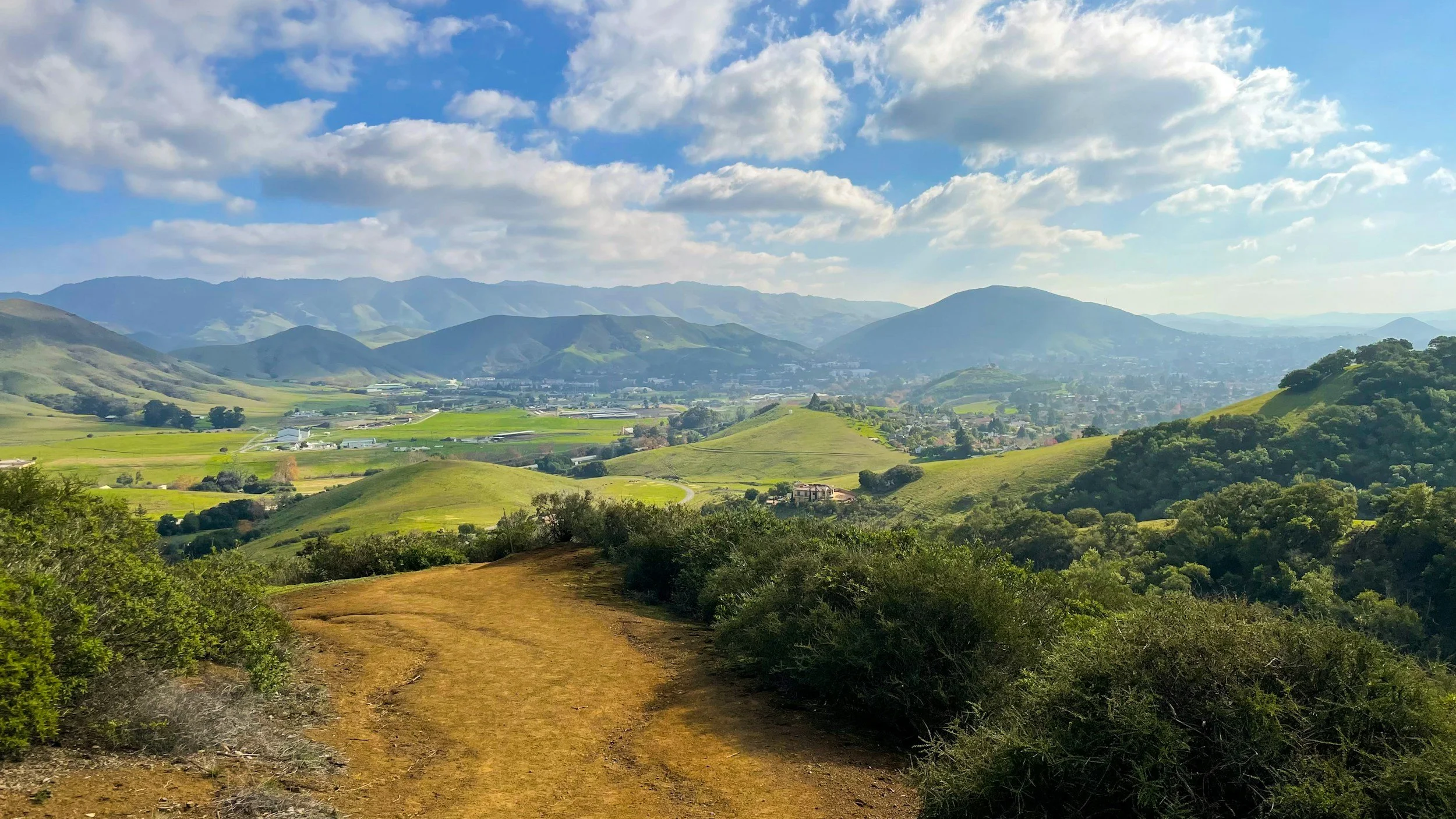
Craniosacral Therapy Central Coast
For women navigating nervous system dysregulation, awakening, and pain that is more than physical.
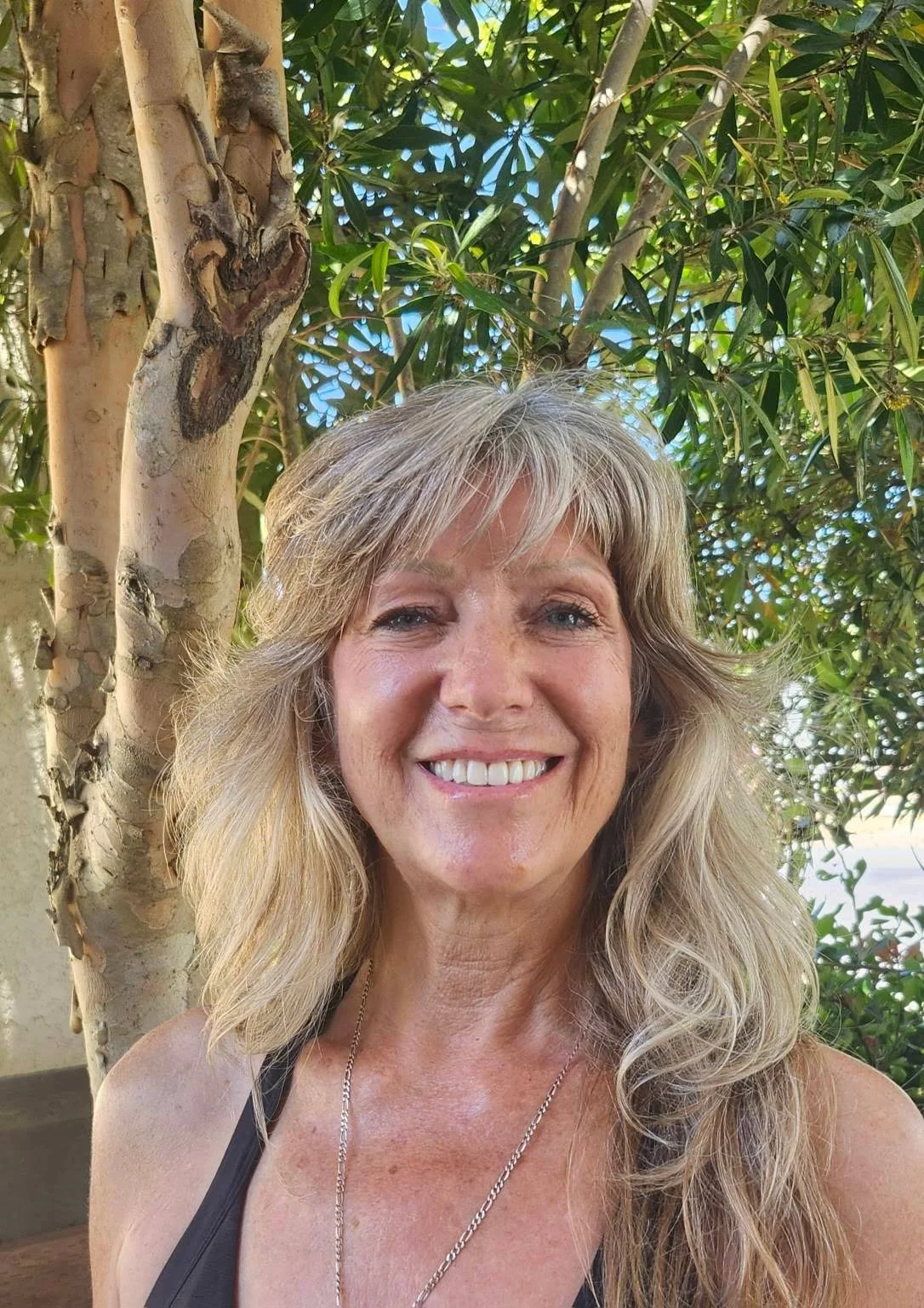
You Are Not Imagining The Pain
You wake up bracing. Jaw clamped, shoulders up around your ears, no crisis you can point to. Just your body, doing this again.
You have been to the doctors. The labs come back within range. The imaging looks fine. Everyone is kind, and no one has an answer that accounts for what you actually feel. You have done the PT, followed the plan, and still something is not right.
The pain is real. The exhaustion is real. And somewhere underneath the reasonable explanations you keep accepting, you suspect the full story has not been told yet.
There is something you have not said out loud, because you are not sure who is safe to say it to. That the pain started when something hard happened. That your body seems to be holding something your life did not have room for.
If you said that to most providers, you would get a polite redirect and maybe a pamphlet. You keep thinking about how you used to be able to just exhale. All the way down. You do not remember when that stopped being available.
You do not want another supplement. You do not want another printout. You want someone to put their hands on you and actually listen to what is going on in there.
And maybe there is something else, something harder to name. Something that got opened and has not quite landed. The part that is still moving is not in your thoughts; it is in your ribs, in the back of your throat. Talk has helped, and it is not enough. What you need now is steady hands, real clinical skill, and someone who will not flinch at the full picture.
You are not sure that person exists.
She does.
You are here because some part of you already knows the story your body is telling is real. The knowing matters. It is not catastrophizing. It is your body doing exactly what bodies do, holding what the rest of life did not have room for, waiting for someone to finally listen. The fact that you are still looking means you have not given up. That is not a small thing.
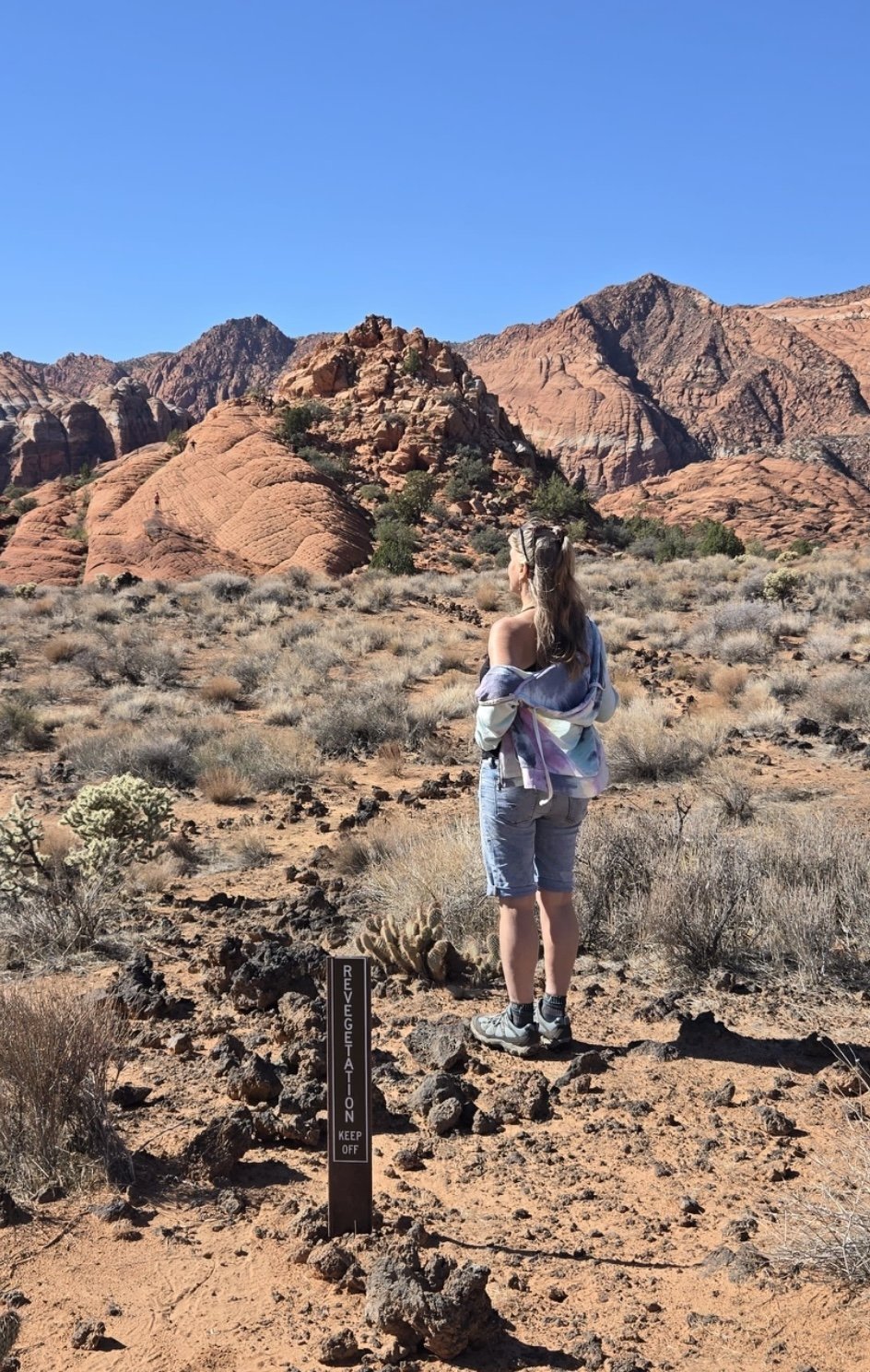
I'm Dianna Powers, a licensed physical therapist offering craniosacral therapy on the Central Coast
I work with people who are tired of being handed a diagnosis that does not account for what they actually feel. I have been doing hands-on clinical work since 2000. I started in outpatient orthopedics, trained in manual therapy when the field was already drifting toward protocols and machines, and then spent years in home health on the Central Coast, treating people whose pain was obviously physical and obviously not only physical at the same time. That work taught me something a clinic never could: that a body carries what a life has carried, and that the fastest route to healing is often not force but attention.
Craniosacral therapy found me almost by accident. I took a local introductory class, tried the techniques with patients who had not responded to conventional approaches, and watched them report real changes. That result was interesting enough that I pursued formal training at the Upledger Institute, completing Craniosacral 1 in 2023 and Craniosacral 2 in 2025.
It changed how I practice physical therapy. I can now find a pain pattern, follow it to where it actually lives in the body, and help the body repattern it, gently, without fighting it. I have also done my own deep work over the last several years, and it has made me a steadier, more present practitioner.
I did not set out to be a mystic. I trained in manual therapy in 2001 and spent years in home health, and what I found there is that bodies keep telling you things the chart has no line for. Eventually you either stop listening or you stop pretending you did not hear. I stopped pretending. The physical therapy did not go anywhere.
Many women arrive in my office looking for pain relief and find themselves at the beginning of something larger. I am not surprised by that, and I am not going to hand you a pamphlet.
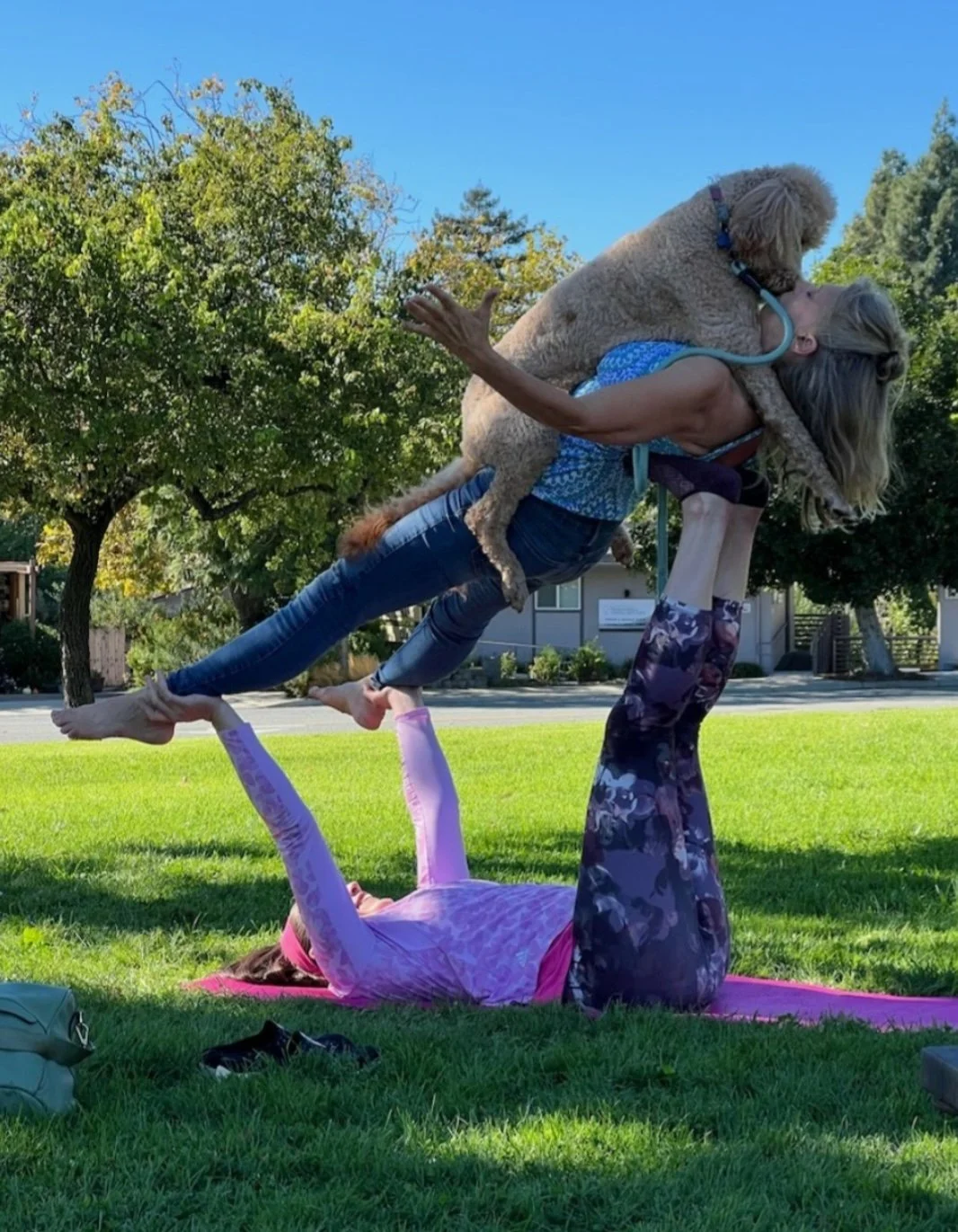
I am 6, and I am the least sedentary person in most rooms. I have run Spartan races, completed trail relays, gotten certified in scuba, and taken up AcroYoga. I have an enormous laugh and a genuine silliness that tends to disarm people right before my hands settle them into a stillness most of them have not felt in years. Clients often tell me they did not expect to feel so calm so quickly. They also sometimes say things on the table they have not said out loud before, because something about the work makes that feel safe.
A session with me is not a protocol.
I do not arrive with a predetermined plan and execute it on your body. I come in and listen, with my hands and my full attention, to what your body is actually doing. Craniosacral therapy works from a model of subtle rhythm and restriction in the tissues and fluids surrounding the central nervous system.
Using very light touch, typically about the weight of a nickel, I assess where that rhythm is restricted and help the body release those holding patterns.
It is subtle work, and clients describe meaningful shifts:
Sleep that finally comes and stays
Pain that had been present for years beginning to move after just a few sessions
A settling in the nervous system that feels different from ordinary relaxation
Emotional releases that feel relieving rather than destabilizing
A jaw, a chest, a set of shoulders that finally let go
I also bring more than twenty years of clinical range to every session. If you need manual therapy, movement assessment, or a real exercise plan built around your actual life, I can do that too. The approaches are not in conflict. They work together, because your body is one system and deserves to be treated that way.
Many clients find that what began as a search for pain relief becomes something more. Not dramatically. In the quiet way that happens when a nervous system finally gets to stop bracing. If any part of this felt like being seen, that recognition is not an accident. It is the beginning of the work. You do not have to keep accepting plans that are not plans. You do not have to keep being reasonable about a body that is clearly trying to tell you something.
An honest word about the evidence
Here is what I can promise you. I am licensed, I am careful, I know a great deal about the body, and I will not do anything to you that you have not agreed to. Here is what I cannot promise you. The research on craniosacral therapy is mixed; some studies find benefit for chronic pain and headache, and the more rigorous recent ones are not persuaded. I would rather be honest with you than impressive. What I have is what I have seen with my hands, and what people tell me on the way out the door. See what your own body has to say.
Come in
Craniosacral therapy in Cayucos, serving Morro Bay and the Central Coast. When you are ready to find out what your body is actually saying, I would love to hear from you. Call or text 805-900-0104, or click here to schedule a session. One conversation is enough to know if this is the right fit. Your body has been waiting. It does not have to keep waiting.
Frequently Asked Questions About Craniosacral Therapy on the Central Coast
-
Craniosacral therapy is a gentle, hands-on approach that works with the rhythm of cerebrospinal fluid moving through the central nervous system. Using very light touch, a trained therapist assesses where that rhythm is restricted or disrupted and helps the body release those patterns. It is not manipulation or massage. The touch is subtle, often described as the weight of a nickel, and the results can be surprisingly significant. People who come in for craniosacral therapy on the Central Coast often report changes in sleep, pain levels, and nervous system regulation after just a few sessions.
-
They are different approaches, and Dianna offers both. Physical therapy focuses on movement, strength, and structural function. Craniosacral therapy works with the central nervous system and the body's own self-correcting mechanisms. What makes working with Dianna different is that she does not separate them. She brings more than two decades of clinical physical therapy training into every session, so if something structural needs attention, she will address it. The two approaches work together, because the body is one system.
-
That is one of the most common things people say when they find their way here. Conventional PT can be excellent for certain conditions and genuinely insufficient for others, especially when pain has a history, when it started alongside something emotionally significant, or when it has not responded to exercise-based approaches. Craniosacral therapy works differently. It does not ask you to strengthen your way through something. It listens to where the body is holding and helps it release. Many clients who felt unheard or unchanged by previous treatment find something different here.
-
No. Dianna is a licensed physical therapist with more than twenty years of clinical experience. She is not asking you to adopt a belief system. Craniosacral therapy is taught through the Upledger Institute and has a growing body of research behind it. You are allowed to be skeptical and still benefit from the work. Most people who come in are somewhere between curious and doubtful, and that is a completely reasonable place to start.
-
Dianna works with chronic pain that has not responded to conventional treatment, nervous system dysregulation, sleep disruption, jaw tension and TMJ-related symptoms, pain that seems connected to emotional or life events, and people navigating significant transitions including loss, caregiving, and recovery. She also works with older adults who want to stay mobile, strong, and fully alive as they age, and with people who are integrating significant personal or somatic experiences and need grounded, skilled support.
-
Most people describe it as deeply settling. You are fully clothed, lying on a table, and Dianna's touch is very light. Some people notice warmth, subtle movement, or a sense of something releasing. Some people feel emotional. Some people fall asleep. What almost everyone reports is that they feel different when they get up than when they lay down, quieter in a way that is hard to explain but easy to notice. Sessions typically run ninety minutes.
-
Yes, and it often works well alongside other care. Craniosacral therapy on the Central Coast with Dianna is not a replacement for mental health treatment, medical care, or other forms of support. It addresses what is happening in the body, which can complement and sometimes deepen the work happening in other contexts. If you are in talk therapy and feel like the body has not caught up yet, that is one of the most common reasons people find their way to this kind of work.
-
It depends on what you are working with and how your body responds. Some people notice significant shifts in two or three sessions. Others come regularly over several months. Dianna will be honest with you about what she is observing and what she thinks makes sense. She is not interested in keeping you in treatment longer than is useful.
-
Yes, and it is work Dianna is deeply experienced in. She spent years in home health treating older adults after falls, hospitalizations, and significant health events. She understands what aging bodies need, what they are capable of, and how to meet someone where they actually are. If you are an older adult, or if you are helping an older parent find care, this is a practice that takes that population seriously.
-
Craniosacral therapy is generally not covered by insurance and Dianna does not work directly with insurance. However, she does provide medical services that are appropriate for using HSA or FSA accounts.
-
Dianna's practice is located on the Central Coast of California, serving the Cayucos and Morro Bay area. Her office is located in Cayucos, CA. Craniosacral therapy is hands-on work and cannot be replicated remotely, so sessions are in person. If you are traveling to the area or relocating, feel free to reach out about scheduling.
-
Reach out. A brief conversation is enough to get a sense of whether Dianna's approach matches what you are looking for. She would rather you ask questions and feel confident than wonder from a distance. You can contact her at 805-900-0104 or through physicaltherapymorrobay.com/contact.